
Aperitivo and Cicchetti: Italy's Great Evening Ritual
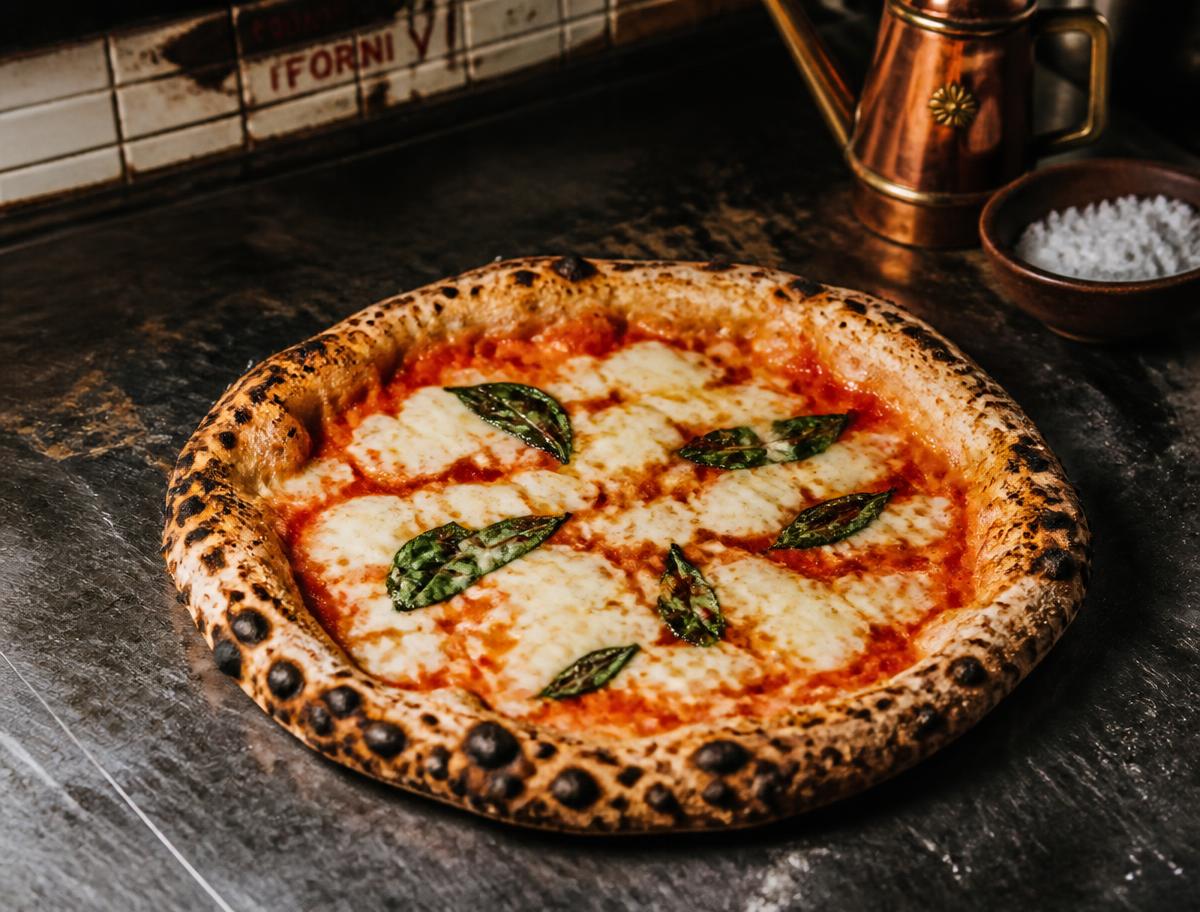
In Italy, the hours between late afternoon and dinner belong to aperitivo, an unhurried pause marked by bitter drinks and savoury morsels. It is less about appetite and more about carving out time to speak, unwind, and graze.
The Physiology of the Appetite
Aperitivo comes from the Latin aperire, meaning to open. The premise is physiological as much as social: you drink something herbal and gently bitter to wake up the stomach, and you eat just enough salt and fat to prime the palate for dinner without spoiling it.
Across Italy, the ritual marks the threshold where the working day ends and private life resumes. It is not happy hour. Nobody rushes to drink cheap pints against a countdown clock. Instead, you order a Negroni or a dry spritz, and the bar brings small dishes to the counter without fanfare: warm olives, shards of mature cheese, or roasted nuts.
Bàcari and Friggitorie: Regional Grazing
How you graze depends entirely on where you stand. In the bàcari of Venice, cicchetti line glass cabinets along the bar. Slices of crusty bread hold whipped salt cod, sweet and sour sardines, or boiled eggs topped with anchovies. You eat standing up, elbow to elbow, washing down each bite with a small glass of local wine.
Head south to Sicily and the counter transforms completely. In Palermo and Catania, the ritual is rooted in street-corner friggitorie: crisp chickpea panelle, golden arancini filled with slow-cooked ragù, and fried brioche dough. The common thread is immediacy. These bites are meant to be eaten hot from the fryer, caught with greasy fingers while you lean on a tall wooden table.
Building the Spread: Salt, Acid, and Crunch
When we prepare cicchetti and antipasti at COTTO in Kirkstall, we look for dynamic contrasts rather than sheer quantity. A brilliant plate needs balance across texture and acidity. If everything is rich and fatty, the palate dulls before the main meal even begins.
Anchor the board with high-quality cured meat like speck or prosciutto, but balance it instantly with acidity: pickled baby artichokes, caperberries, or pickled fennel. Texture completes the picture. Crisp Roman-style focaccia, grissini, or warm fried dough provide the crunch that gives cured pork and soft cheeses somewhere to land.
Bringing the Habit Home to West Yorkshire
Recreating this rhythm at home does not demand an elaborate kitchen setup. It requires an attitude shift. Put out a dish of Castelvetrano olives, a wedge of Pecorino, a tin of good sardines in oil, and a warm piece of oiled bread. Pour a drink with a splash of soda and a slice of orange.
The magic is in the pacing. Turn off the television, stand in the kitchen, and eat with your hands for twenty minutes before sitting down to cook. It turns dinner from an obligation into a quiet celebration.