
The Anatomy of a True Tomato Sugo: Sweetness, Fat, and Time
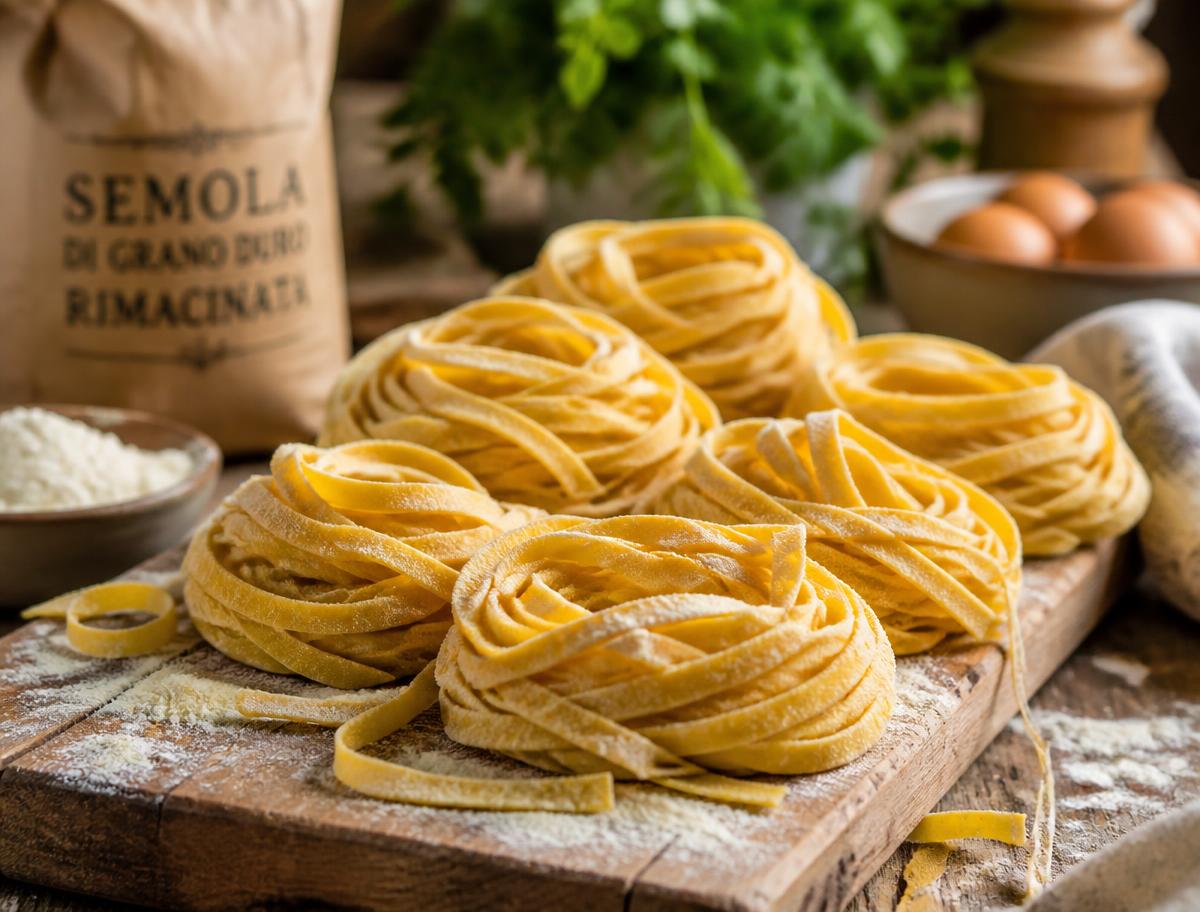
A great tomato sauce is rarely about complicated technique, but it demands an understanding of how fat, acid, and time interact in a pan. Once you learn how to coax out sweetness without reaching for a sugar bowl, your home cooking changes forever.
The Lie of the Twenty-Minute Sauce
Most home cooks are taught that a basic tomato sauce is something you throw together in the time it takes to boil a pot of penne. While a raw summer pomodoro over warm spaghetti has its place, a real sugo requires patience. Tomatoes are packed with natural sugars, water, and sharp citric acid. If you simmer them aggressively for fifteen minutes, the water evaporates before the acid softens, leaving you with a sauce that tastes sharp, thin, and hollow.
A true sugo is a slow reduction. Given thirty-five to fifty minutes over a gentle flame, the cellular structure of the tomato breaks down completely. The harsh brightness mellows into a deep, rounded sweetness, and the texture shifts from watery pulp to a velvety sauce that clings to the back of a wooden spoon.
Tins Matter More Than Technique
You cannot coax brilliance out of poor fruit. In Leeds, our fresh supermarket tomatoes rarely carry the sun-ripened depth needed for a rich sauce, which means your choice of tin is critical. Always buy whole peeled plum tomatoes, labelled pelati, rather than chopped tomatoes. Chopped tomatoes are often processed with calcium chloride to keep the chunks firm in transit, which prevents them from breaking down into a smooth, luxurious sauce.
Look for San Marzano DOP if you want an earthy, sweet balance, or quality Italian plum tomatoes from Campania. Pour the contents into a wide bowl and crush the whole tomatoes by hand before they touch the pan. This gives you complete control over texture and leaves no tough stems behind.
Olive Oil is an Ingredient, Not Just a Lubricant
Italian cooking does not use extra virgin olive oil merely to stop food sticking to metal. The oil is a flavour carrier and a structural component. When you begin your sugo, be generous: cover the bottom of your pan with a good four or five tablespoons of peppery, cold-pressed oil.
Keep the flame low. If you are using garlic, slice it paper-thin and let it sweat gently until it turns translucent and fragrant. The moment garlic takes on colour, it develops an acrid bitterness that ruins the sweet profile of tomatoes. If you prefer a rounder, softer base, halve a brown onion and let it simmer whole in the sauce alongside a bruised carrot, discarding both before serving.
The Emulsion: Where Pasta Meets Sugo
A common mistake in home kitchens is treating pasta and sauce as separate entities until they land in the serving bowl. In our kitchen in Kirkstall, we treat pasta water as liquid gold. It is rich with suspended starches that have washed off the semolina during boiling.
Drain your pasta two minutes before it reaches al dente, reserving a mug of the cloudy cooking water. Transfer the pasta straight into your simmering sugo over medium heat. Add a ladle of the pasta water and toss vigorously. The starch binds the olive oil and tomato juices into a glossy, coherent emulsion that coats every ridge of the pasta rather than pooling at the bottom of the plate.
Bringing the Kirkstall Approach to Your Kitchen
At COTTO, whether we are crafting our 72-hour cold-fermented dough for Roman-style slices or preparing Sicilian cicchetti for the evening crowd, the philosophy remains the same: respect the ingredient, give it time, and never overcomplicate. You do not need expensive copper pans or obscure herbs to cook unforgettable Italian food in Yorkshire.
Stock your cupboards with decent pelati, buy good oil, salt your pasta water until it tastes like the sea, and give your sauce the slow, quiet heat it deserves. The reward is a bowl of food that tastes of care, warmth, and Italian hospitality.